


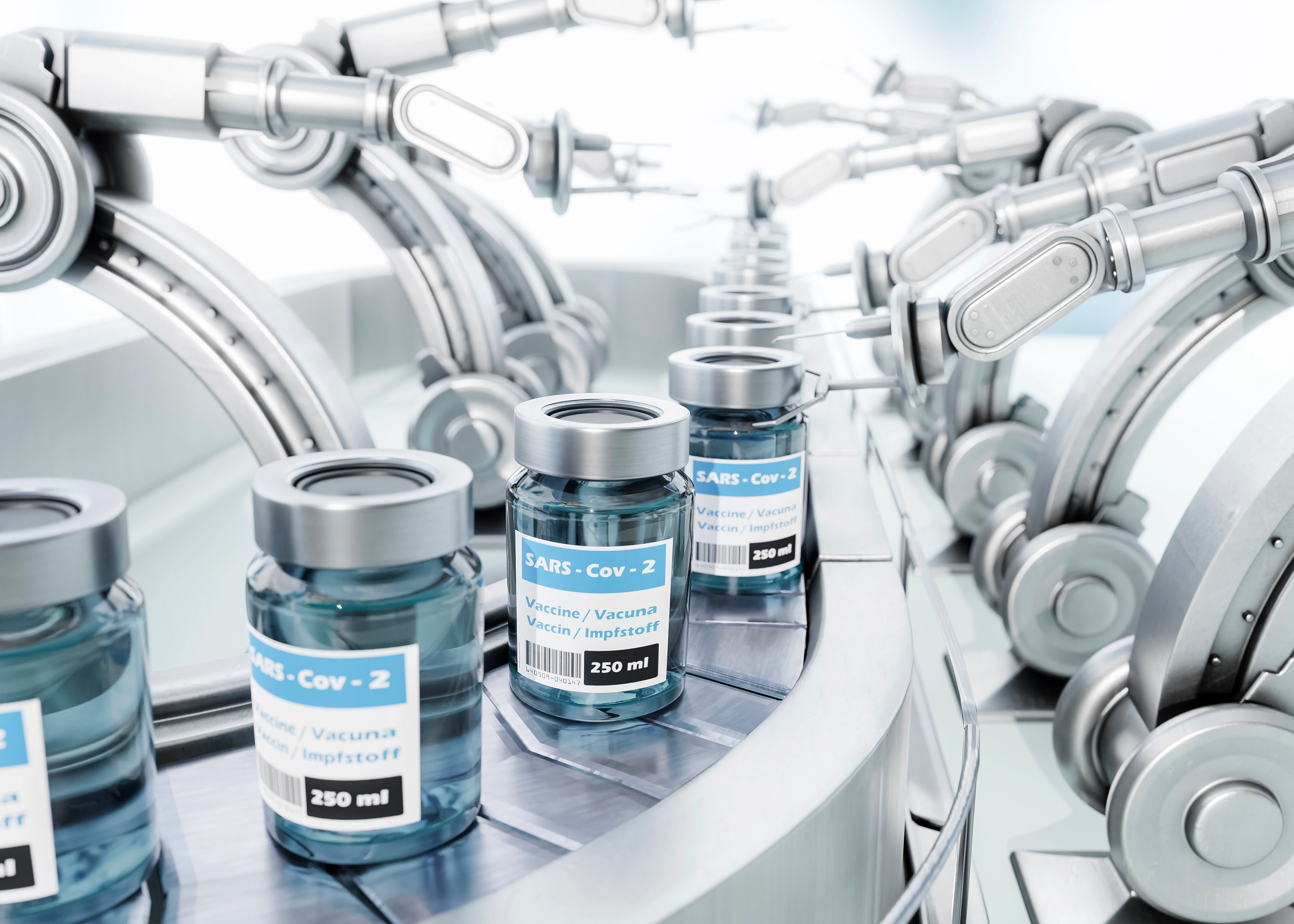
The medical industry is changing fast — and expectations are higher than ever. Products must move through production safely, accurately, and without interruptions. At the same time, manufacturers are under pressure to reduce costs and deliver faster.
That’s why industrial automation in medical industry has become such a critical focus. Automated systems help eliminate repetitive manual work, reduce contamination risks, and maintain consistency across every batch — from assembly to packaging.
Companies like Master Linque Automation are supporting this shift by building reliable turnkey automation solutions that make production stronger and more predictable.
Why Automation Matters So Much in the Medical Industry
Unlike most industries, the stakes here are extremely high. A single packaging error, mislabeled box, or damaged shipment can impact patient safety.
Automation helps solve these challenges by delivering:
- Consistency and Accuracy Automated equipment repeats tasks exactly the same way, every time — ensuring packaging, sealing, stacking, and labeling stay precise.
- Traceability and Compliance Integrated monitoring systems make it easier to track batches, maintain records, and satisfy regulatory audits.
- Cleaner, Safer Work Environments Reduced handling means fewer chances of contamination — and fewer risks for worker
Simply put: automation doesn’t replace people — it supports them by removing manual strain and improving reliability.
Our Core Automation Solutions for the Medical Industry
Industrial automation works best when individual systems communicate and work together. Below are four areas where automation delivers immediate value.Case Packing Automation
Medical packaging demands perfect handling. Automated case packing systems ensure products like syringes, vials, medical kits, and diagnostic devices are packed securely and consistently.
Benefits you notice immediately:
- Uniform packaging quality
- Faster throughput with fewer mistakes
- Reduced risk of contamination
- Reliable barcode and label verification
Line Palletizing & De-Palletizing
Pallet handling is one of the most demanding tasks inside production facilities. Automation removes the heavy lifting and keeps materials flowing smoothly.
Automated palletizing systems:- Stack cases neatly and safely
- Optimize storage space
- Increase speed and consistency
- Unload incoming materials automatically
- Reduce dependence on manual labor
- Keep lines moving without delays
Conveyor Solutions
Conveyors act like the “circulatory system” of a medical manufacturing plant. They connect inspection, packing, labeling, storage, and shipping — without interruptions.
Well-designed conveyor systems provide:- Smooth, steady product movement
- Better cleanliness control
- Reduced manual transport
- Synchronization across different stations
Case Erector Systems
Before anything gets packaged, boxes must be formed correctly. Automated case erectors fold and seal cartons faster than manual crews ever could — and with greater uniformity.
Advantages include:- Perfectly shaped cartons
- Faster packaging preparation
- Less strain on workers
- Full compatibility with automated packing lines
Automation Supports Quality, Safety, and Compliance
Every automated upgrade brings more control into the production process. That leads to:
- Fewer human errors
- Stronger hygiene control
- Consistent product protection
- Reliable batch records
Why Choose a Turnkey Automation Partner?
Industrial automation works best when everything is planned, designed, integrated, and supported by a single expert team.
A strong turnkey partner — like Master Linque Automation — focuses on:
- custom engineering
- seamless system integration
- real-world performance testing
- long-term service and support
The Future of Industrial Automation in Medical Industry
Automation is becoming smarter every year. Advances in robotics, sensor technology, and real-time data monitoring are reshaping how manufacturing lines operate.
We’re moving toward systems that:
- predict maintenance before breakdowns
- optimize energy use automatically
- adapt quickly to production changes
For medical manufacturers, this means stronger reliability, safer production environments, and long-term scalability.
Conclusion
Industrial automation in medical industry is not just about speed — it’s about consistency, safety, and confidence. With integrated systems like case packing, palletizing, conveyors, and case erectors, manufacturers gain control over every step of production.
And with Chennai-based engineering leaders like Master Linque Automation, upgrading doesn’t have to be complicated — it becomes a strategic advantage.
If your goal is to future-proof your operations and improve quality, automation is the path forward. Start your journey with Master Linque Automation the industrial automation in medical industry today:
FAQ
Because it ensures accuracy, hygiene, and traceability — all essential for patient safety and regulatory compliance.
It automatically packs products into cartons with precision, reducing handling and minimizing packaging errors.
They automate stacking and unloading, improving safety while speeding up logistics.
Yes — conveyors can be customized for sterile, dust-free environments commonly used in medical production.
It’s a fully designed, built, installed, and supported system — handled by one expert provider from start to finish.