


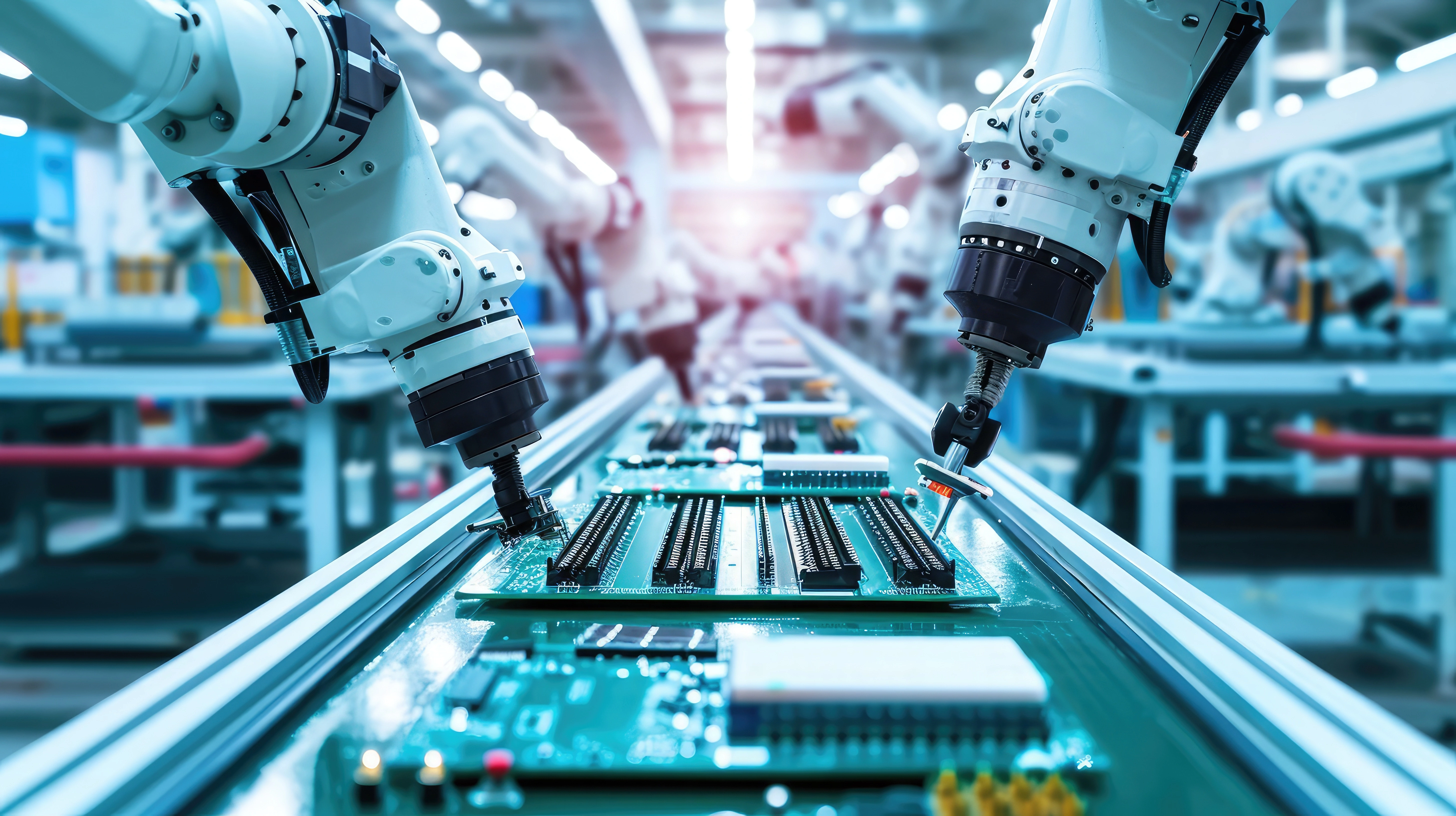
People often imagine factories as noisy, chaotic places—machines clanging, workers shouting over the noise, the whole industrial drama happening at once. But if you walk into a modern plant today, the scene is strangely different. Calm, almost. You see machines doing their work with a kind of quiet discipline. Operators watching screens more than parts. Robots moving with the confidence of something that’s done the same task ten thousand times.
This change… it didn’t happen overnight. And honestly, most people outside the industry don’t even realize how much assembly technology has reshaped the way we build things.
The Simple Truth Behind a Complicated Term
Assembly technology sounds heavy, but the idea is simple:
Make the process of putting things together smarter than it used to be.
Instead of ten people doing one repetitive job over and over, manufacturers now use things like:
- Automated assembly machines
- Robotic assembly automation systems
- Smart cameras checking every angle
- Flexible stations that adjust on their own
- Software that quietly tells you when something looks wrong
I’ve seen plants where a single robotic station does what used to require three shifts of trained workers. It’s wild how normal this has become.
Why Automation Took Over (And Not for the Reason Most People Think)
When people hear “automation,” they assume it’s only about cutting costs. Sure, that’s part of it, but honestly, it’s rarely the whole story. I’ve met managers who turned to assembly automation because they simply couldn’t find enough skilled workers anymore. Some factories struggle to hire even when they offer competitive pay.Then there’s the consistency part. Humans are great at problem-solving, but nobody can perform the exact same motion 600 times in a row with perfect precision. Automated assembly systems? They can. Easily.
Here are a few reasons companies keep moving toward it:
Faster output
An automated assembly line doesn’t get tired at 4 PM.
Predictable quality
Machines don’t have “off days,” which customers seem to appreciate.
Less waste
Surprisingly, automation reduces material loss by a lot.
Safer work
Robots take over the awkward, painful, repetitive tasks that cause injuries.
Easier scaling
Need double the production next quarter? Much simpler with automation.
The Technology Itself: Not as Intimidating Once You See It Up Close
I used to think automation meant complicated robots everywhere, but it’s more layered than that. There are small, simple fixtures that do one job. Then there are huge, multi-step automated assembly machines that practically run themselves.Vision systems—this part still surprises me—can “catch” the tiniest mistakes quicker than any human inspector. And robotic arms? They’ve become shockingly precise. Some systems even adjust their motion based on feedback they receive in real time.
If you look at what top assembly automation companies are building now, it almost feels like you’re seeing the early stages of self-thinking factories.
What a Good Automated Assembly Line Actually Feels Like
The best way I can describe a fully automated line is this:
It feels like watching a well-rehearsed orchestra.
Everything moves with timing. No pauses. No awkward stops. Parts flow from one stage to the next like it was planned down to the millisecond—because, well, it was.
This rhythm leads to:
- Fewer defects
- Higher daily output
- Less downtime
- A calmer factory environment
- Better long-term reliability
It’s cleaner, quieter, and honestly more satisfying to watch compared to old-school setups.
Choosing the Right Automation Partner Matters More Than People Realize
Technology alone isn’t enough. You need people who understand your product, your problems, and your constraints. That’s why choosing the right assembly automation company in India, or even more specifically an assembly automation company in Chennai, can make or break the entire project.
The best partners don’t just “sell machines.”
They design systems that fit your workflow, not the other way around.
Why Many Manufacturers Gravitate Toward Masterlinque Automation
If you speak with companies that have implemented solutions from Masterlinque, you’ll notice a pattern: reliability. They build automated assembly systems, craft smart automated assembly machines, and develop advanced robotic assembly automation setups that don’t just look impressive—they actually solve problems on the factory floor.
Their engineers listen. They tweak designs. They understand that no two products are assembled the same way. And that’s what makes them stand apart in a field where one-size-fits-all rarely works.
Final Thoughts
The industrial world is changing quietly but rapidly. Assembly technology is no longer some futuristic idea—it’s the reality of modern manufacturing. And companies that adopt assembly automation early are giving themselves a real advantage: steady output, better quality, and the kind of efficiency that customers notice even if they don’t know why.